

LATEST NEWS: 14 May 2026
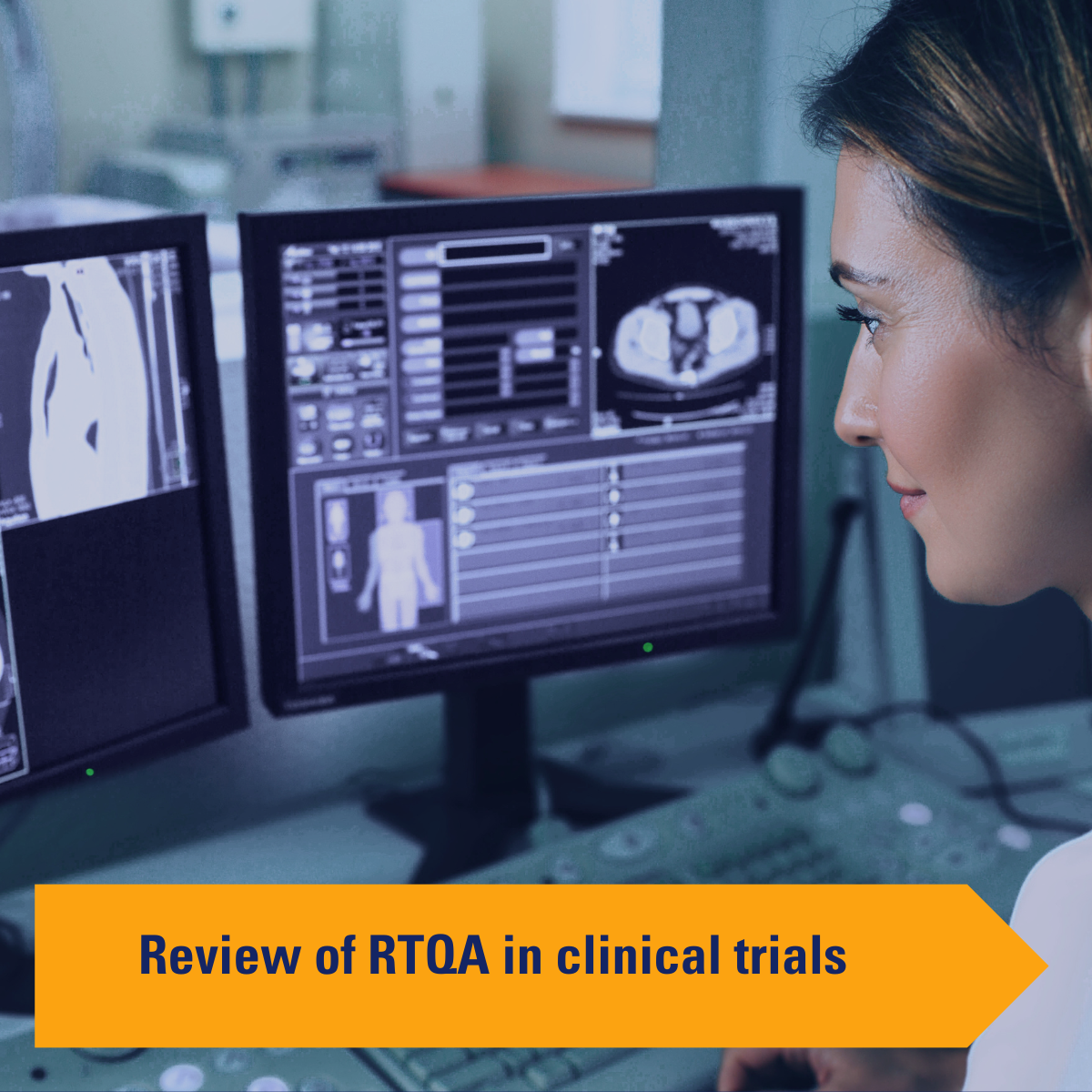
The need for greater focus on radiation therapy quality assurance (RTQA) in clinical trials has been highlighted by a recent review which reveals a very limited number of trials are implementing and reporting on this vital element of research.
RTQA is an essential step in clinical trials involving radiation therapy, to ensure the results are both reliable and impactful. It involves establishing a framework to systematically monitor radiation therapy planning and delivery, data integrity and participant safety across trial sites, to ensure consistent high-quality standardisation and adherence to the trial protocol across participating sites.
The review provides the first published overview of RTQA procedures in clinical trials. The study was lead by Dr Gaëlle Le Quellenec from Institut de Cancérologie de l’Ouest, France, and had multiple international authors, including TROG Member and Radiation Oncologist Professor Jarad Martin from Calvary Mater Hospital in Newcastle. The overview involved searching databases for all trials that performed and published their RTQA results between 1988 and 2022.
They identified a total of 162 papers reporting on 130 trials in Australia and internationally which included RTQA in their methods over that period, according to findings published in the journal, Clinical and Translational Radiation Oncology.
The trials identified by the review include a number of studies run and/or collaborated on by TROG Cancer Research, which has a world-class RTQA program for clinical trials, and is committed to both adopting and further developing the use of RTQA in research to improve radiation therapy in cancer care.
Only a small proportion of trials involving radiation therapy report on RTQA
While 130 papers mentioned RTQA, the study found there were 11,369 interventional studies with RT interventions registered on the clinical trials database, ClinicalTrials.gov. over the same time period. That suggested that only 1.14% of trials involving RT interventions performed quality assurance, and 0.85% published their RTQA results.
They noted that there had been improvements over time, with the proportion of centres participating in RTQA increasing significantly and RTQA procedures including credentialing requirements rising substantially.
However, despite radiation therapy techniques advancing, there had been no increase in the proportion of trials performing RTQA.
“Despite continuous advances an increasing complexity in radiotherapy techniques, we observed no corresponding rise in the number of trials performing RTQA,” the authors wrote.
They suggested that RTQA needed to be anticipated in study protocols, given it can be a time-consuming and costly process.
“To improve RTQA implementation, increased fundings as well as more cost-effective procedures are needed,” they wrote, adding that Artificial Intelligence (AI) may offer opportunities for automating RTQA procedures in the future, an area that TROG RTQA is exploring.
TROG Head of Operations – Research and Quality Assurance, Alisha Moore, said the review highlighted the need for clinical trials involving radiation therapy to undergo a thorough risk assessment early on to ensure quality assurance can be proportionately developed from the outset.
“RTQA should be considered and integrated early in the design of clinical trials, with programs tailored to the level of risk and complexity involved,” she said.
“Experience has consistently demonstrated the critical value of appropriately designed RTQA programs in ensuring participating centres have the necessary expertise, equipment, processes and knowledge to deliver trial protocols consistently and accurately. “
She said TROG was continuing to develop and streamline RTQA processes to keep pace with advances in radiation therapy for cancer.
“As radiation therapy techniques continue to evolve, it is essential that RTQA processes continue to adapt alongside them. TROG is focused on developing more streamlined and cost-effective RTQA approaches that maintain quality while reducing the resource burden on participating sites and central review teams.”
“It is fantastic to see this article shining a light on the importance of RTQA in clinical trials and its critical value in ensuring protocol compliance, data integrity, and participant safety.”
- Read the review in Clinical and Translational Radiation Oncology journal
- Find out more about TROG’s RTQA program
Related Post

Meet the TROG Quality Assurance team
TROG UPDATES: 17 September 2026 Our Quality Assurance team
New guidelines developed by TROG for clinical trial use of stereotactic radiosurgery for brain metastases
LATEST NEWS: 27 January 2026 New guidelines to ensure