

TROG UPDATES: 17 September 2026
Our Quality Assurance team plays a vital role in ensuring every element of clinical trial data collection process is of the highest quality, so that trial results are robust and impactful.
But who are the people behind this important work?
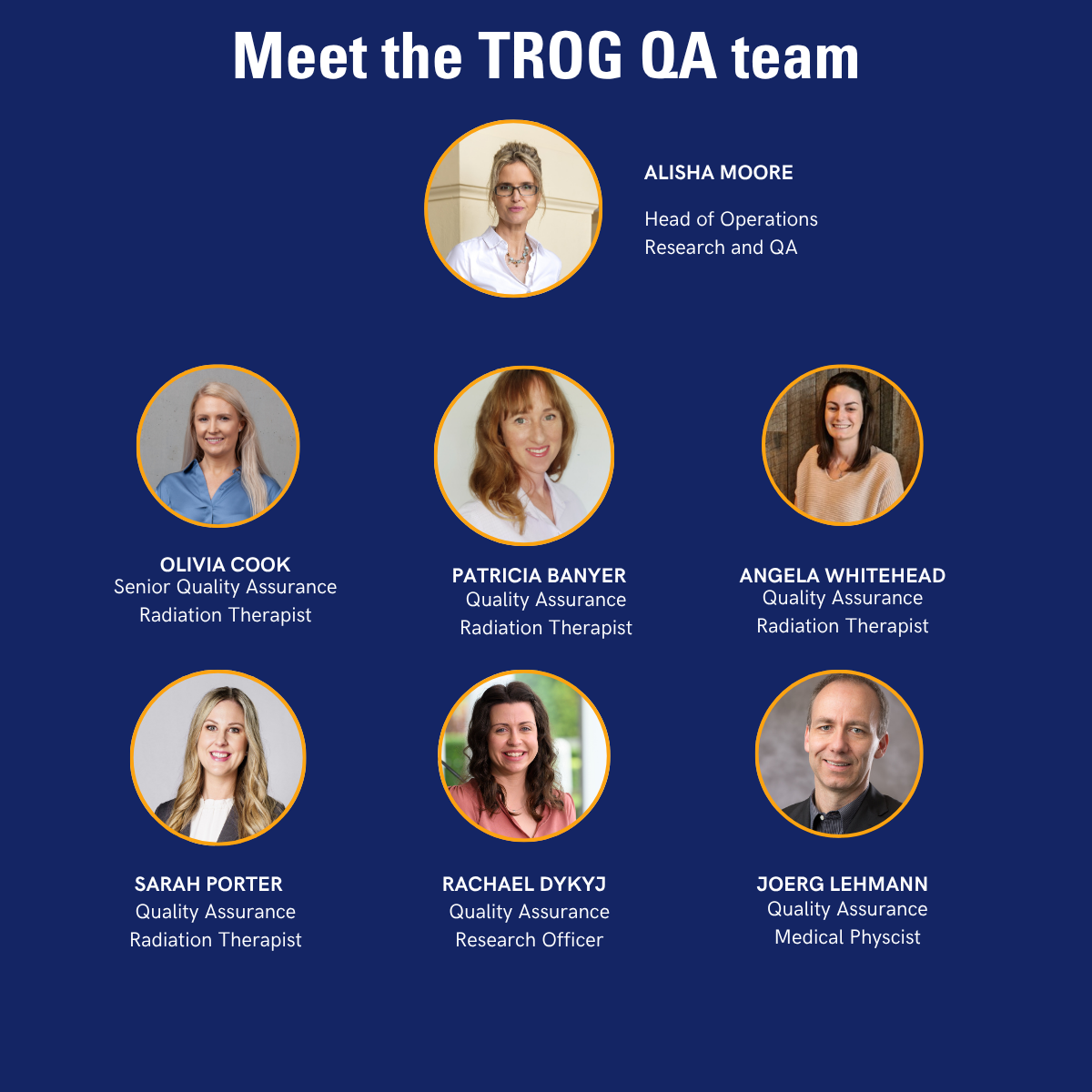
Our seven Quality Assurance (QA) staff bring a wealth of more than 110 years of combined experience to their roles of supporting clinical trial activities. Get to know them through the questions and answers below:
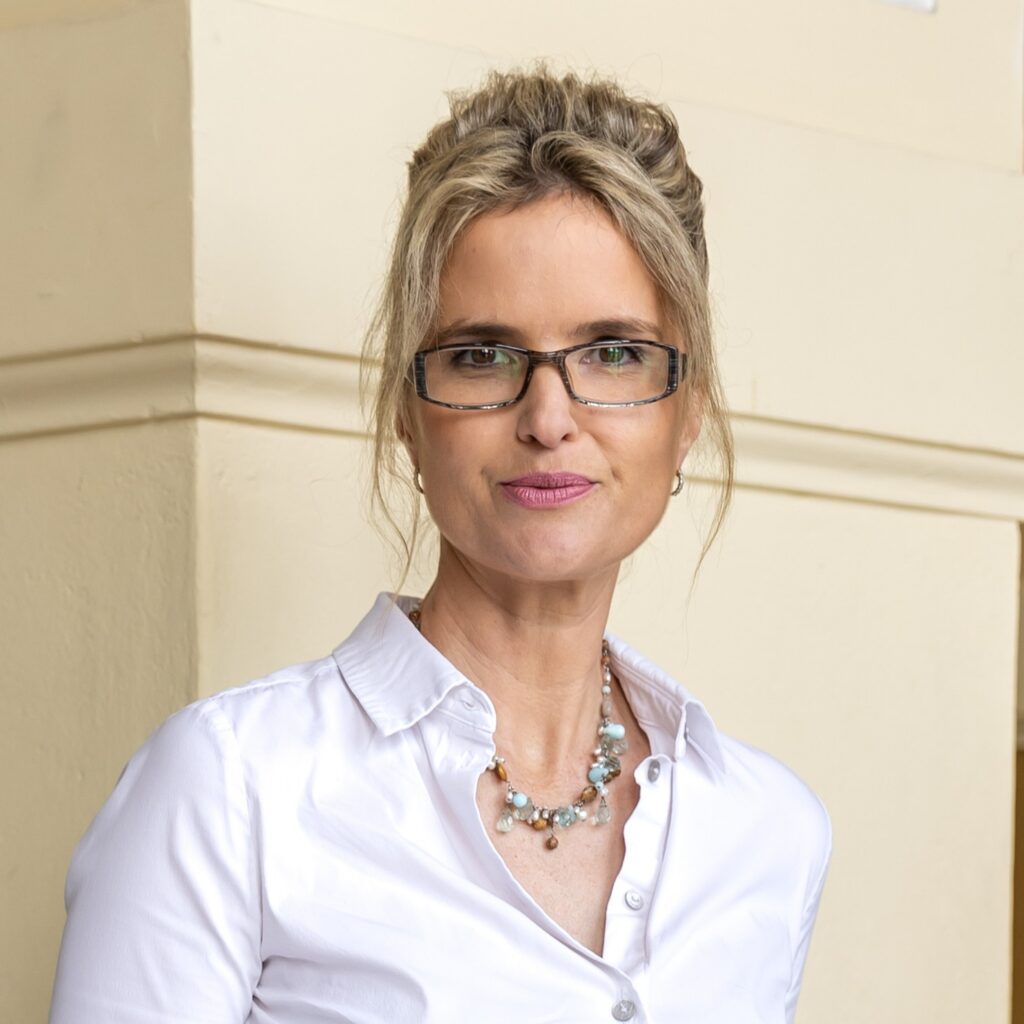
ALISHA MOORE, Head of Operations Research and Quality Assurance
What inspired you to work in radiation therapy or clinical trials?
I actually fell into both radiation therapy and clinical trials, but a secondment to TROG while I was working clinically at the Calvary Mater Newcastle had me hooked almost immediately.
I loved the variety, the introduction of new technology and the chance to collaborate across disciplines, nationally and internationally; I quickly knew I wanted to do more in radiation therapy research
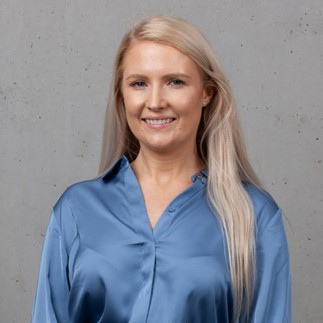
OLIVIA COOK, Senior Quality Assurance Radiation Therapist
What could you NOT do your job without?
- The QA team – the collective troubleshooting brain.
- DICOM – our QA team would be pretty lost without it! It allows us to collect, transfer and review radiation therapy and imaging data across multiple centres.
- Laptop – where everything happens.
- Caffeine – keeps me running!
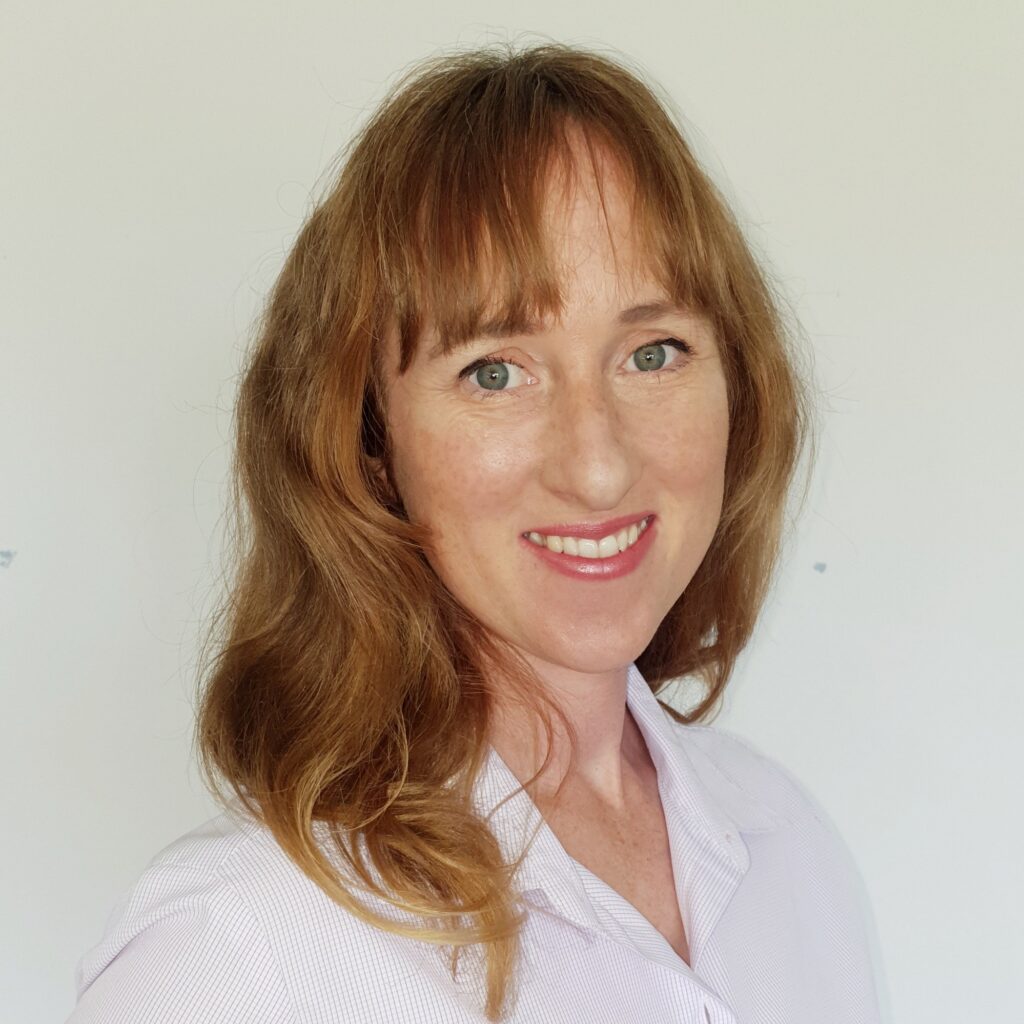
PATRICIA BANYER, Quality Assurance Radiation Therapist
Tell us a fun fact about your work.
My role sometimes feels like detective work – piecing together imaging, treatment plans, dose data and clinical information to ensure every trial participant’s treatment aligns with the protocol.
It’s a behind-the-scenes process that helps protect trial quality and supports reliable results.
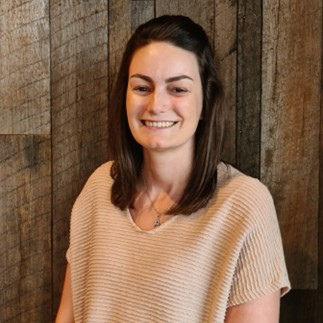
ANGELA WHITEHEAD, Quality Assurance Radiation Therapist
What is your favourite part of working in quality assurance?
Troubleshooting. There’s nothing more satisfying than getting to the bottom of why something went wrong, understanding what happened, and figuring out how to fix it.
I really enjoy the problem-solving side of quality assurance and the satisfaction that comes from finding a solution.
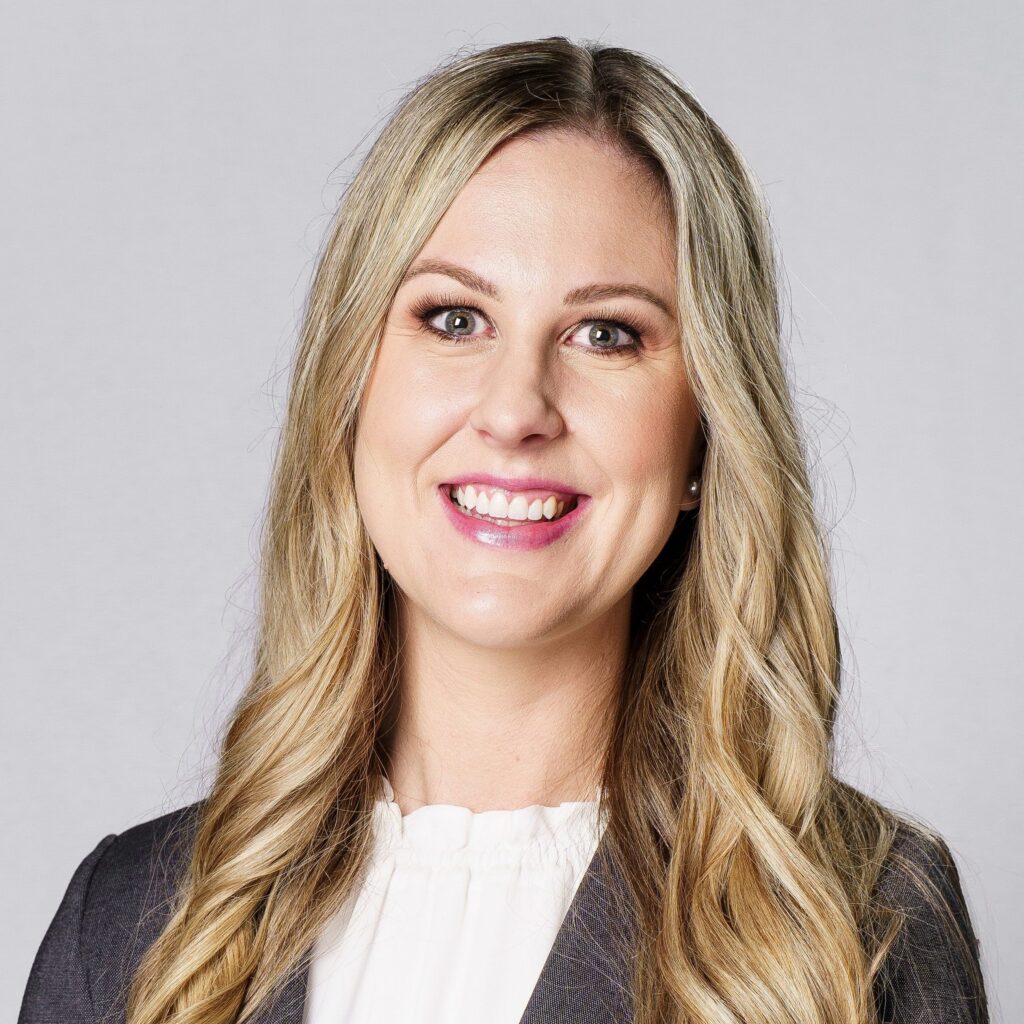
SARAH PORTER, Quality Assurance Radiation Therapist
What is the best piece of career advice you have received?
Keep the patient at the centre of every decision.
Always look beyond the task itself and consider its wider impact on patients, participating sites and the clinical trial.
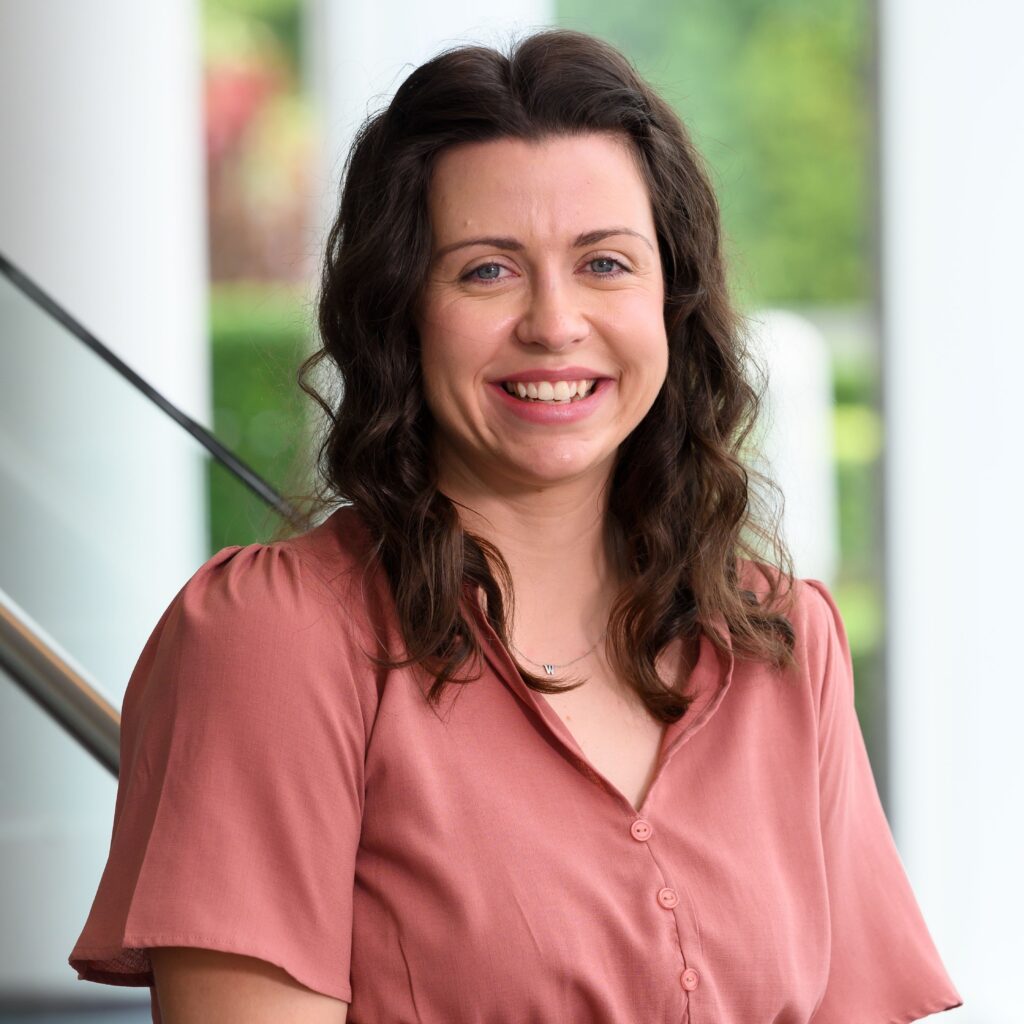
RACHAEL DYKYJ, Quality Assurance Research Officer
What emerging technology or development in radiation therapy are you most excited about?
I’m really excited to see the idea of “RT on a truck” come to life.
While it’s still in the early stages, it has the potential to make a real difference for cancer patients across Australia. Access to radiation therapy can be incredibly challenging for people in rural and remote areas, so bringing treatment closer to these communities could help remove one of the biggest barriers to care – location.
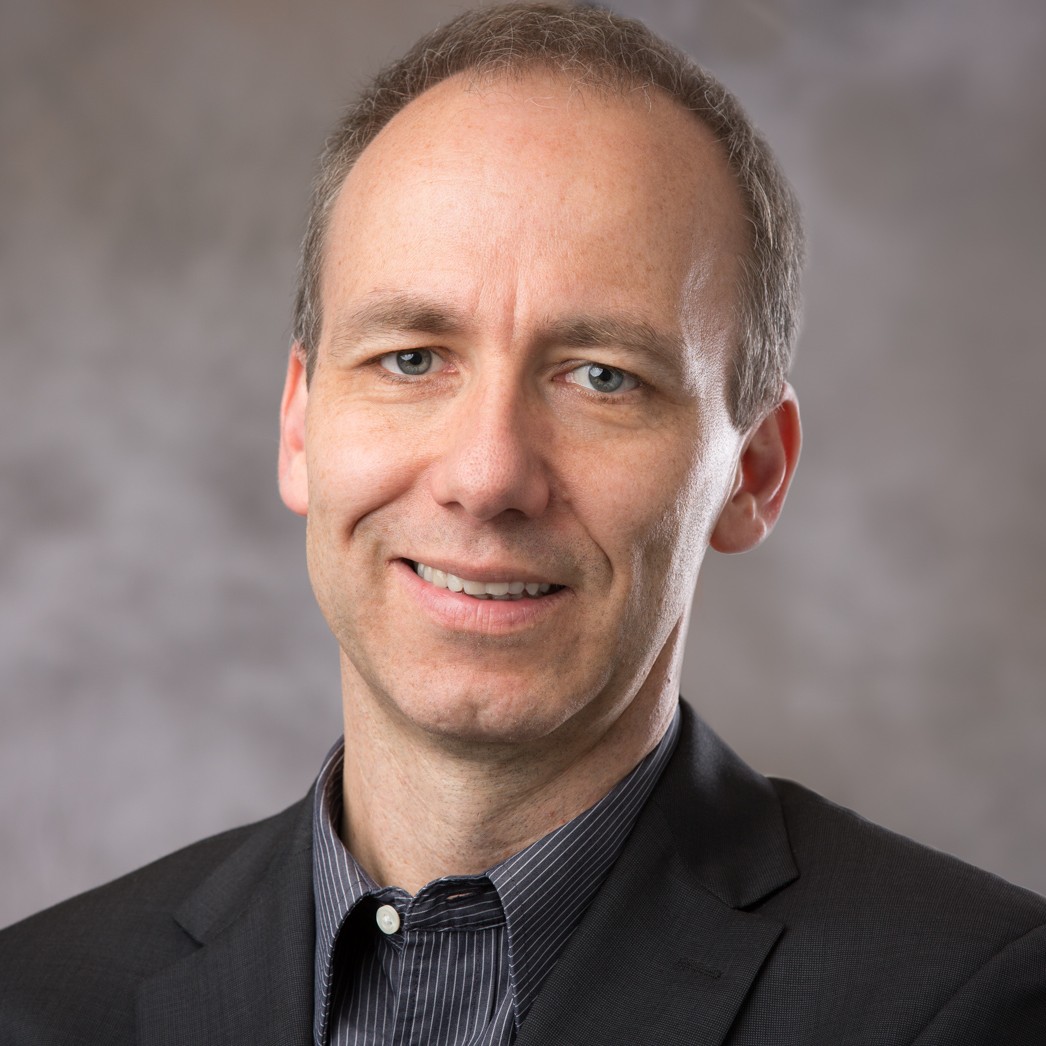
PROF JOERG LEHMANN, Quality Assurance Medical Physicist
If you could solve one challenge in radiation therapy, what would it be?
A fundamental challenge to solve would be to accurately establish what dose was delivered where in the patient at each treatment.
And, while we are at it, knowing the dose rate at each location would be a great additional piece of information to establish as a foundation for research into optimal treatment regimens.
Read more about TROG Quality Assurance
Related Post
Review highlights vital need for RTQA in radiation therapy research
LATEST NEWS: 14 May 2026 The need for greater
New guidelines developed by TROG for clinical trial use of stereotactic radiosurgery for brain metastases
LATEST NEWS: 27 January 2026 New guidelines to ensure