

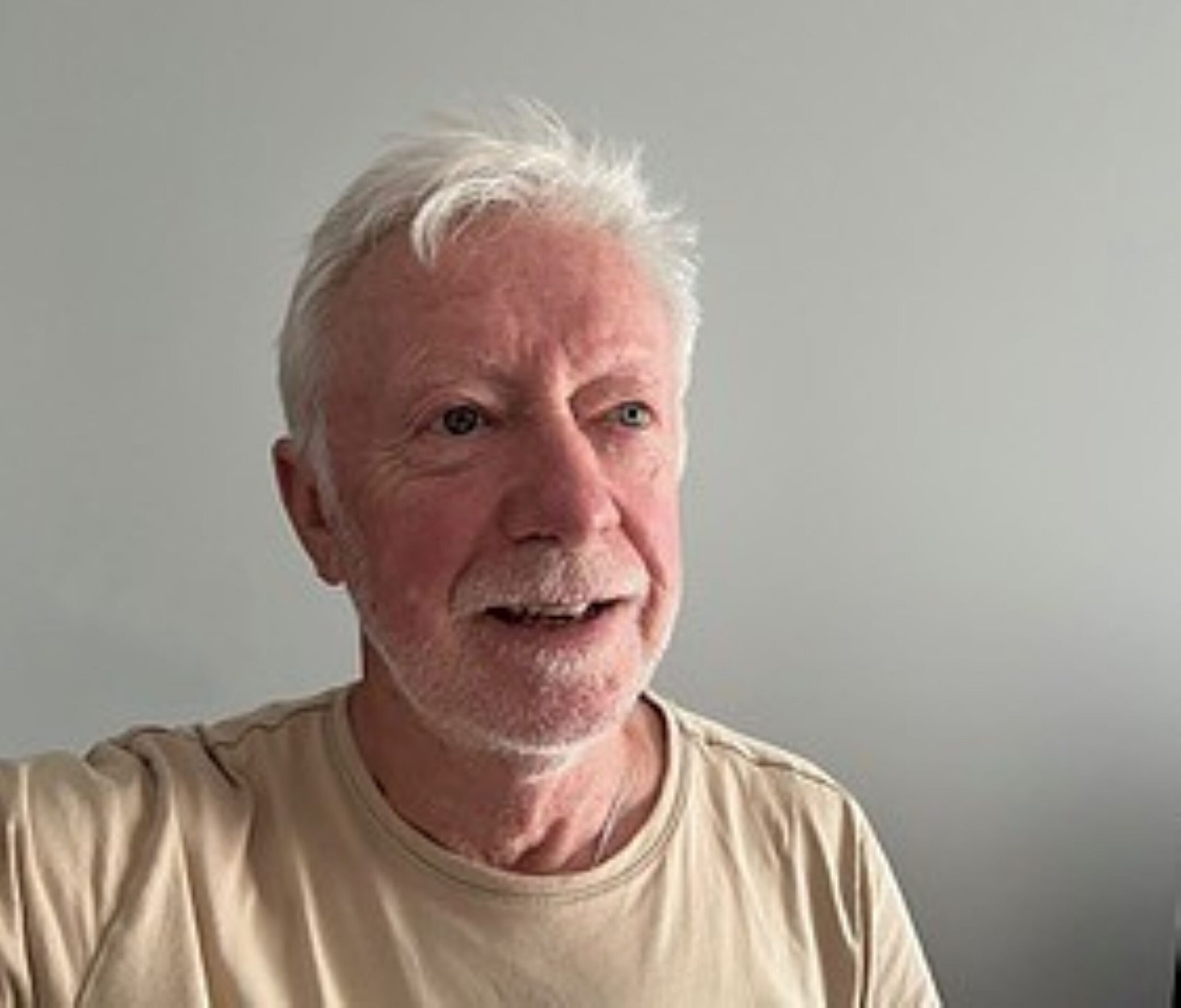
Roland Towning
Port Stephens, NSW
Roland Towning is taking part in the TROG 18.01 NINJA trial which is comparing the effectiveness of two different radiation therapy schedules to treat prostate cancer.
It was a vigilant GP who alerted Roland Towning that there may be a problem with his prostate in 2021.
Regular blood tests showed that his PSA (prostate specific antigen) level – a marker for prostate cancer – was rising.
After investigations including a biopsy, he was diagnosed with localised or early prostate cancer that fortunately hadn’t spread elsewhere in his body, but was assessed as being fairly aggressive and high risk.
Roland was referred to Prof Jarad Martin at GenesisCare Newcastle, who offered him the opportunity to undergo cutting-edge radiation therapy treatment as part of the TROG 18.01 NINJA trial.
The NINJA trial is one of many clinical trials run by TROG Cancer Research to improve radiation therapy treatments and outcomes for a wide range of cancers.
It involves using state-of-the-art radiation technology and advanced imaging to test the effectiveness of using fewer, high-dose radiation therapy treatments for patients with intermediate- and high-risk prostate cancer that has not metastasised.
Men taking part in the trial are treated with one of two shorter schedules of a type of radiation therapy called stereotactic body radiation therapy (SBRT), compared with traditional radiation treatment which can require up to seven weeks of daily radiation therapy treatments.
Roland, now aged 72, said he was pleased he didn’t need surgery and welcomed the chance to be part of a clinical trial that meant he would have fewer radiation therapy treatments.
“Two of my cousins had their prostates removed due to cancer and they struggled with that quite a bit,” he said. “One of my uncles also died from prostate cancer.”
A semi-retired engineer, Roland had often worked on the design of hospital environments such as operating theatres, including trialling different types of work spaces.
“I was familiar with the hospital environment from an engineering perspective, and it was good to know that by taking part in a clinical trial, other men in the future might be able benefit from improved treatment,” he said.
Roland underwent a course five radiation therapy treatments over just one week, as well as hormonal treatment (androgen deprivation therapy) via injection. While he did experience a short period of depression that may have been related to the hormonal treatment, he says he hasn’t needed any further treatment for the prostate cancer since the radiation therapy.
More than four years on, ongoing monitoring as part of the trial, including regular blood test to monitor his PSA level, show that it has fallen to the point that cancer is no longer a concern.
“Most of the time I don’t even think about having had prostate cancer”, he said, as he looked forward to a visit from his grandchildren. “I keep pretty fit and active and have been able to just get on with my life.”
Roland is among 456 men from around Australia and New Zealand already taking part in the ongoing NINJA trial, which aims to recruit a total of 472 men to provide vital information that can guide the way prostate cancer is treated in the future.
Prostate cancer is the second most common cancer in men, after skin cancer, with more than 26,000 cases diagnosed in 2024. About one in 12 men will get prostate cancer by the age of 70, and one in five will get it in their lifetime.
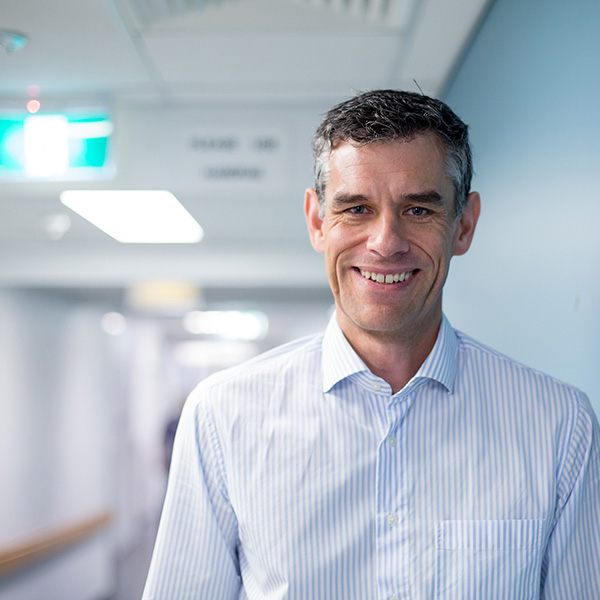
Prof Martin (pictured left), Radiation Oncologist at Genesis Care and Calvary Mater Newcastle, who is Co-Lead Investigator for the NINJA Trial, says it is building on emerging findings about better ways to deliver radiation therapy for prostate cancer.
“Radiation therapy is one of the most common treatments for prostate cancer, and the NINJA trial is helping us to find less onerous, more effective ways to provide that radiation therapy,” he said.
“We’re thrilled that patients from around Australia and New Zealand, including those like Roland from regional communities, can access high quality trials like NINJA that could lead to massive improvements in how we treat prostate cancer in Australia and globally.”
TROG Cancer Research CEO Susan Goode said more than 15,500 people with cancer have participated in TROG’s clinical trials over more than 35 years, leading to significant improvements in a wide range of cancer treatments.
“Thanks to trial participants like Roland, we are able to conduct world-class clinical trials that are providing the evidence we need to improve patients’ cancer treatment experiences, their quality of life and ultimately, to deliver better cancer outcomes,” she said.
TROG Cancer Research is a not-for-profit organisation which supports radiation therapy clinical trials through trial coordination and quality assurance control, however, the TROG Cancer Research Central Operations Office is not involved in the patient recruitment process, and is not able to give information to patients with regard to their suitability for participation in clinical trials. Patients interested in participating in trials are best to seek advice from their specialist oncologist or treatment team about relevant trials and their potential eligibility.
- Read more about the NINJA trial or email: ninjatrial@calvarymater.org.au
- Support cancer research through a donation, or your own fundraising event
Related Post
Angelo’s Story
Angelo ZuccarelloMelbourne, Victoria Angelo Zuccarello took part in the