

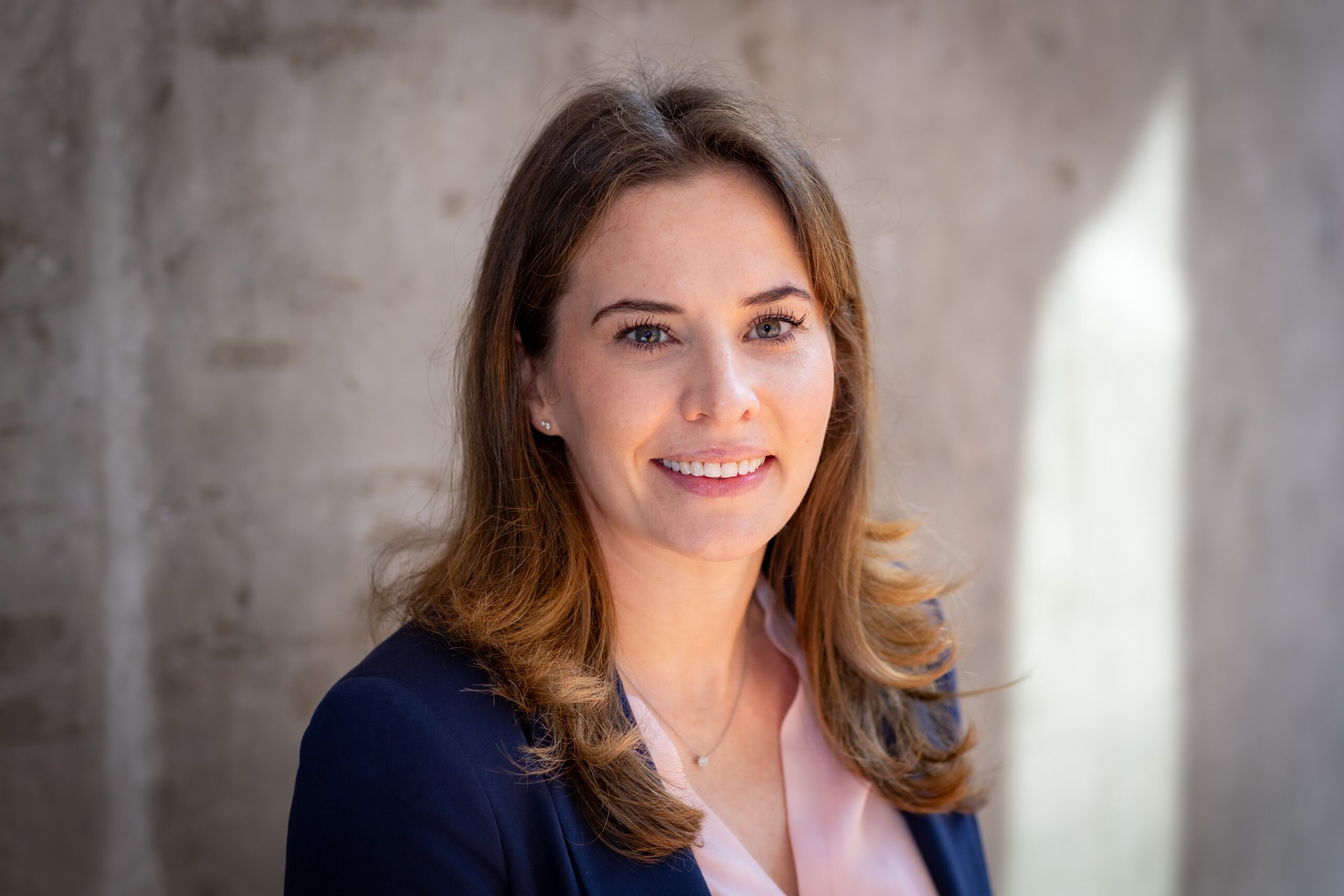
SPECIAL INTEREST GROUP IN FOCUS: 10 December 2025
Dr Anna Lawless is a Sydney-based Radiation Oncologist working in head and neck cancers, with an interest in using advanced imaging and biomarker-guided approaches to refine radiotherapy and support better outcomes for patients. She was recently appointed as Chair of the new TROG Emerging Investigators Special Interest Group (EI SIG). Here, she shares insights about her own research and how the new group will support early-career researchers to connect, collaborate and realise their passion for research.
What attracted you to pursuing research alongside your clinical work?
My interest in research began during my registrar training at Chris O’Brien Lifehouse with a small project on radiotherapy techniques for sarcoma patients, supervised by Prof Angela Hong. That project, which went on to receive the Bourne and Langlands Prize from RANZCR, showed me how the combination of a meaningful clinical question and strong mentorship can evolve into productive and successful research.
Most recently, I’ve been fortunate to be working at Royal North Shore Hospital, which has a strong culture of supporting research. I am currently running our ‘DE-RADIATE’ clinical trial using FMISO PET imaging to assess tumour hypoxia. By identifying which HPV-positive tumours are well-oxygenated, we can then treat with significantly less radiation dose. We hope that if successful, imaging-guided de-escalation will reduce long-term toxicity and improve patient quality of life without compromising cure.
What is your main field of research?
My continuing PhD work is focused on personalising radiotherapy treatments for head and neck cancers, specifically for HPV-associated oropharyngeal cancers. The DE-RADIATE trial mentioned above is the main component of this work. Other areas include survivorship and quality of life after radiotherapy, as well as work I’m currently doing at MD Anderson Cancer Center in stereotactic radiotherapy for head and neck cancers and combining radiotherapy with new systemic treatments for anaplastic thyroid cancer.
You are currently undertaking a Fellowship at the MD Anderson Cancer Center in Houston, Texas. How are you finding that experience?
I moved to Houston, Texas in July 2025 for the 12-month Complex Radiation Oncology Fellowship at MD Anderson Cancer Center. It has been an exceptionally rewarding year, and I feel very fortunate to have had the opportunity.
MD Anderson is consistently ranked the No. 1 cancer hospital in the US, and the scale of the institution (more than 100 Radiation Oncology faculty on the main campus alone!) means there really isn’t any rare clinical scenario, or technical question that doesn’t have a world expert on site.
I was able to tailor my rotations to my interests, spending time with the Breast, Thoracic, and Head and Neck services, all of which have world-leading clinicians and research programs.
I’m looking forward to coming back to Australia with some new skills, new collaborators, and a few fresh ideas, and especially to that first Australian coffee after more than a year away.
What attracted you to joining the new TROG Emerging Investigators Special Interest Group?
At the last TROG ASM, I was excited to hear that TROG was establishing an Emerging Investigators Special Interest Group (EI SIG). I had recently joined the Head and Neck Cancer International Group Young Investigators Committee and have seen the impact a well-organised and well-supported early-career network can have.
I’m thrilled to take on the Chair role for TROG’s EI SIG and to help create a similar environment for early-career researchers here, under the TROG banner. There is enormous talent within the TROG community, and I see this group as a chance to harness it and help people connect with opportunities that may otherwise seem out of reach.
What are some of the common barriers experienced by early career researchers in pursuing their research interests?
Through our discussions as an Emerging Investigators group, we’ve found that common research barriers include limited mentorship, lack of protected time, funding challenges, and reduced confidence or visibility.
Our EI SIG aims to address these issues, especially for early-career researchers in smaller or less well-resourced centres, by fostering cross-hospital collaborations, supporting grant applications, and creating opportunities to present work and secure ongoing research support.
With guidance from TROG’s senior leadership, early-career researchers can engage early with TROG, gaining confidence, visibility, and a clear pathway to combine research with clinical practice successfully.
What do you hope the EI SIG will offer emerging investigators?
My hope is that the EI SIG becomes a true hub for early-career researchers, connecting people not only across Australia, New Zealand, and beyond, but also across all areas of radiation oncology.
TROG’s successes are underpinned by strong collaboration, but this collaboration doesn’t happen by accident. It happens when people are connected early, supported early, and given opportunities early. With this vision, I hope we can continue to build:
- A strong, accessible mentorship network
- A pool of projects that emerging investigators can join or lead
- Practical workshops in trial design, research skills, and scientific communication
- A national community where early-career researchers feel supported and able to contribute with confidence.
There is already great energy within the group, and I’m genuinely excited to see what we can achieve together in the years ahead.
Emerging Investigators Special Interest Group membership
EI SIG membership is open to TROG members who are categorised as either early career researchers or emerging investigators, including:
- Individuals within the first 10 years of entering research, including those without a PhD but who bring significant health professional experience (e.g. clinicians, Radiation Therapists (RT), allied health professionals, Radiation Oncology, Radiation Oncology Medical Physics (ROMPs)).
- Within the first five years post-PhD or specialist qualification in Radiation Oncology, ROMP, RT, or other relevant disciplines (e.g., Speech Pathology, Medical Oncology).
- Relative-to-opportunity principles apply, recognising career interruptions or part-time employment.
- Clinician-researchers and allied health professionals involved in TROG-supported projects are especially encouraged to participate.
Find out more and apply to join the TROG EI SIG.
Related Post
TROG welcomes new Board members and President-Elect
LATEST NEWS: 26 March 2026 We are delighted to
TROG’S 38th ASM puts focus on driving innovative trials
LATEST NEWS: 26 March 2026 TROG’s 2026 Annual Scientific