

LATEST NEWS: 29 July 2026
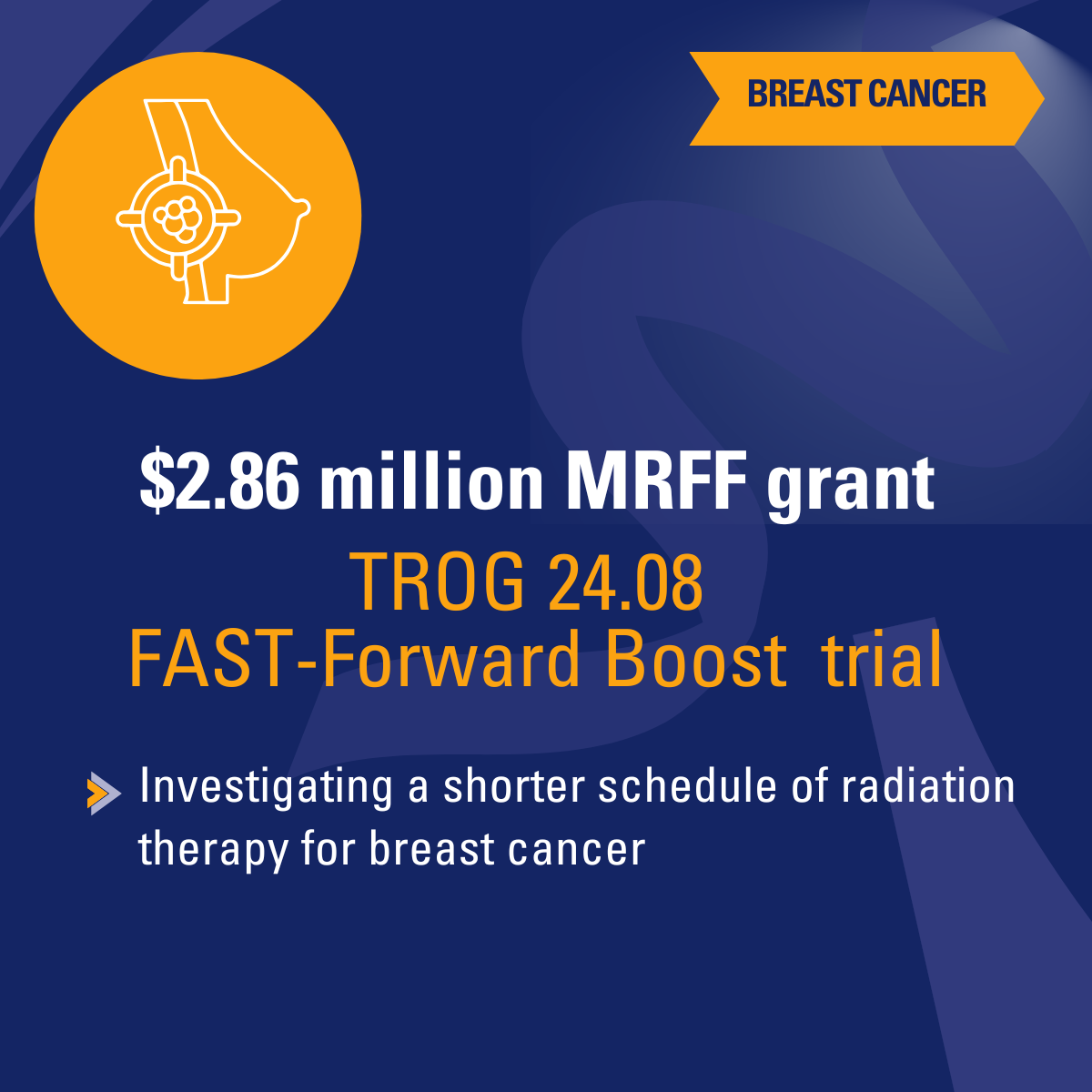
TROG Cancer Research is set to launch a potentially ground-breaking breast cancer radiation therapy trial in Australia, after the project received a $2.86 million Medical Research Future Fund (MRFF) grant – TROG’s largest ever single grant for a clinical trial.
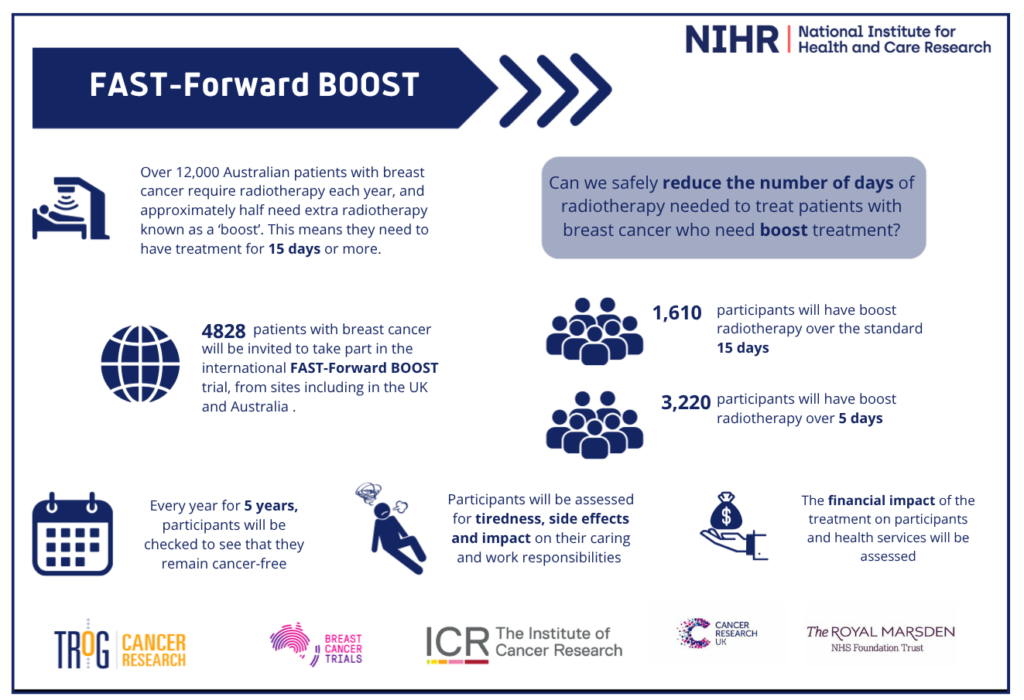
The TROG 24.08 FAST-Forward Boost trial has the potential to dramatically reduce the radiation therapy treatment burden for more than 12,000 Australians diagnosed with breast cancer each year who require radiation therapy.
This international phase III randomised control trial will investigate whether radiation therapy for breast cancer – including an additional ‘boost’ dose (radiation to the whole breast but with additional “boost” dose to the tumour bed) which is required by some women – can be safely and effectively delivered over just five days rather than the current treatment given over 3-6 weeks.
The MRFF announced the $2,856,521 International Clinical Trial Collaborations grant for TROG to run an Australian arm of the international FAST-Forward Boost trial.
The trial is already underway in the UK, funded by the National Institute for Health and Care Research and led by Professor Anna Kirby from the Royal Marsden NHS Foundation Trust and The Institute of Cancer Research, London, and aims to recruit a total of 4,830 participants globally. TROG will recruit 500 Australian participants from across an estimated 20 cancer centres and trial sites.
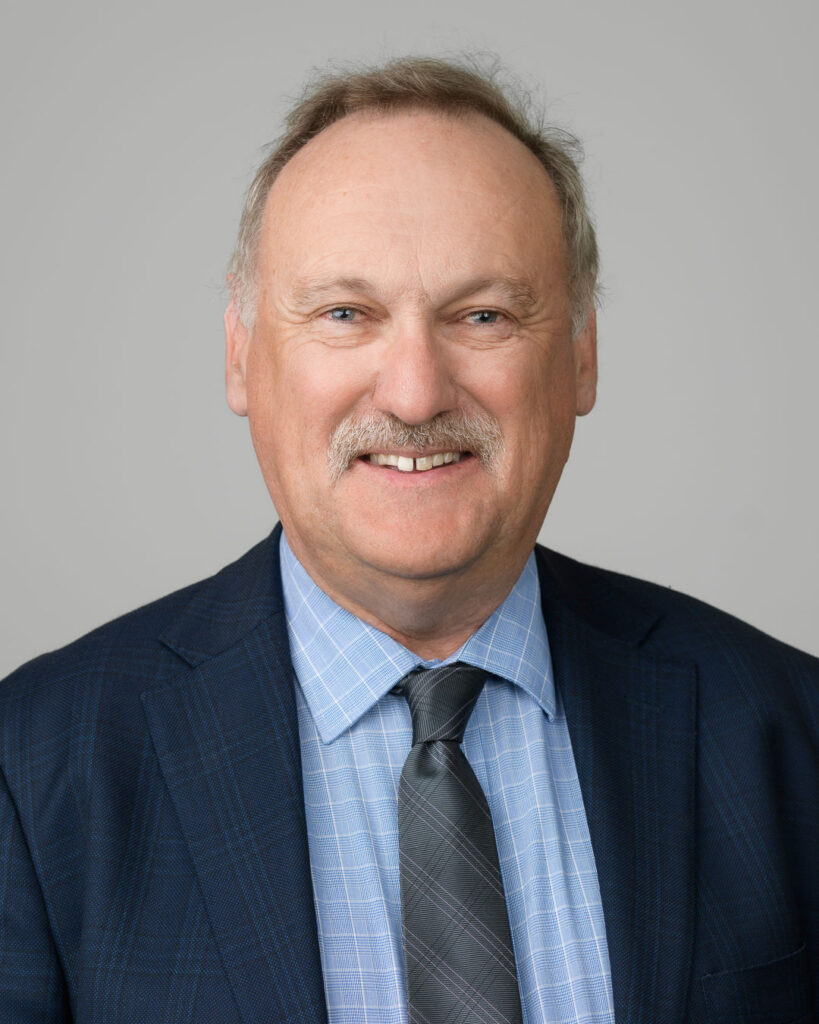
Australian trial Chief investigator, Prof Geoff Delaney from UNSW (pictured below), said the trial would deliver wide-ranging benefits for Australian patients and healthcare services, including:
- Giving Australian patients – including those in regional and rural areas – access to a practice-changing clinical trial
- Enabling implementation of a novel radiation therapy regimen across Australian radiation oncology departments under controlled research conditions
- Improving equity and efficiency in cancer care by reducing treatment burden and associated healthcare costs
- Accelerating the broader uptake of one-week treatment regimens for breast cancer in Australia, in line with international evidence.
- Reducing the carbon footprint for radiotherapy by reducing unnecessary travel for cancer patients.
Building on previous evidence
The original FAST-Forward trial showed that breast radiation therapy (RT) delivered over one week is equivalent to three weeks in terms of tumour control and side-effects. However, in patients for whom additional treatment to the tumour bed (boost) was recommended by their radiation oncologist the boost was delivered after the whole breast treatment, extending the treatment by 5-8 days.
Using modern radiotherapy techniques, recent studies show boost RT can be safely delivered at the same time as whole breast RT when delivered over three weeks. The FAST-Forward BOOST study will now investigate whether this so-called simultaneous boost can be delivered over a one-week (five treatment) RT course.
Giving radiotherapy over a shorter time has many advantages, including reducing the impact of treatment on patient employment and carer responsibilities, reduced waiting lists, and lower carbon emissions and costs. It will also improve access for patients located at a distance from radiation therapy facilities.
Impact of the trial
If the FAST Forward Boost trial demonstrates that one week of RT is as effective as safe as the current 3-6 week treatment schedule, it will:
- Set a new global benchmark in breast cancer radiation therapy, enabling rapid inclusion in international clinical guidelines
- Deliver faster, more accessible treatment, easing the burden on patients and families
- Save the Australian healthcare system an estimated AU$15.6 million annually through shorter treatment courses
- Free up capacity on radiotherapy equipment
- Lower carbon emissions, advancing environmental sustainability in cancer care
“It is so exciting to have received this funding. This gives us an opportunity for Australian women with breast cancer to have access to a very large international trial that we hope leads to a significant reduction in treatment burden,” Prof Delaney said.
“Given the extensive travel that our rural patients need to endure to receive radiotherapy, I am particularly excited to say that we will include some regional and rural radiotherapy departments as participating centres, as it is in these patients where we will hopefully see the most benefit”
Professor Kirby said: “We are delighted that our colleagues have been successful in funding FAST-Forward Boost in Australia. A trial of one-week radiotherapy in breast cancer has the potential to substantially reduce the treatment burden for patients travelling the longest distances for treatment, as well as reducing radiotherapy waiting times and carbon emissions. By collaborating internationally, we can deliver the results of this clinical trial sooner, hopefully to the benefit of patients and healthcare systems across the globe”.
TROG CEO Susan Goode said the MRFF grant offered an amazing opportunity to extend an important international cancer trial to Australia.
“The MRFF grant demonstrates the value of forging international research collaborations, so we can work together to beat cancer,” she said.
“It is a huge win for Australian researchers and patients to be able to contribute vital evidence to the FAST Forward Boost trial, which has the potential to greatly reduce the treatment burden for many patients diagnosed with breast cancer each year both here, and globally.”
- Read about the UK arm of the FAST-Forward Boost trial
Related Post
TROG trial of new lung cancer radiation therapy approach opens
LATEST NEWS: 17 September 2026 The first Australian site

Novel lung cancer radiation therapy approach to be tested in new PRIME-Lung trial
LATEST NEWS: 22 June 2026 In an important step