

9 April 2026
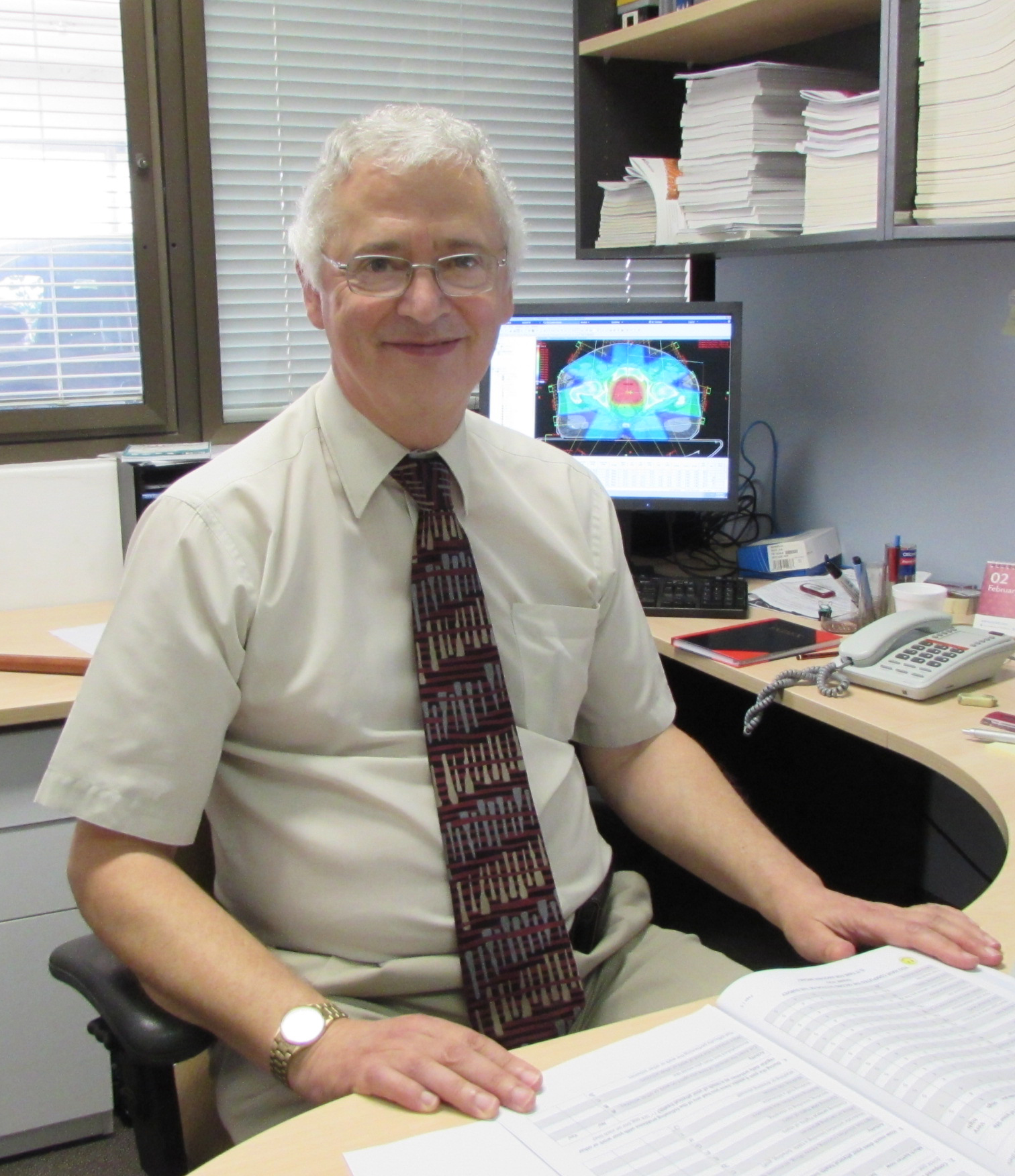
TROG Cancer Research honours the life and legacy of Radiation Oncologist Professor Jim Denham OAM, a founding member and pioneering researcher whose contributions have been central to the organisation’s more than 35-year history.
Jim passed away in March 2026 at the age of 75, leaving a remarkable legacy across cancer care, research and advocacy.
A leading figure in prostate cancer research, he served as a conjoint professor with the University of Newcastle for nearly three decades and as a senior staff specialist at Calvary Mater Hospital in Newcastle until his retirement.
Jim qualified as a radiation oncologist in the UK before migrating to Australia and moving to Newcastle in 1987 – at the time, he was the only Radiation Oncologist in the Hunter region.
In 1989, he was among a small group of Radiation Oncologists who were instrumental in developing the Trans Tasman Radiation Oncology Group (TROG Cancer Research) to collaborate and advance radiation oncology research across Australia and New Zealand.
Serving as TROG President from 1991-1992 and 1995-2001, Jim’s foresight and ability to enthuse his Radiation Oncology colleagues across Australia and New Zealand has been a major factor in TROG’s enduring success.
“Jim’s foresight, drive and ability was key to the formation of TROG in 1989, and has contributed significantly to this group’s current reputation as one of the leading clinical trials groups in the world, with emphasis on multidisciplinary trials involving radiation therapy,” current TROG CEO Susan Goode said.
Jim held numerous leadership and mentoring roles in TROG over many years and was instrumental in moulding the organisation’s clinical trial quality control processes. He had a keen interest in radiation oncology quality assurance issues, including dosimetric intercomparison, dose delivery and the reduction of prescription and field setting variability and published extensively in these areas.
Impactful cancer research
He also led several successful large-scale longitudinal trials through strong leadership and enduring collaborations; his research across the areas of oesophageal and prostate cancer resulted in significant changes in the way these cancers are managed today across Australia and New Zealand, and globally.
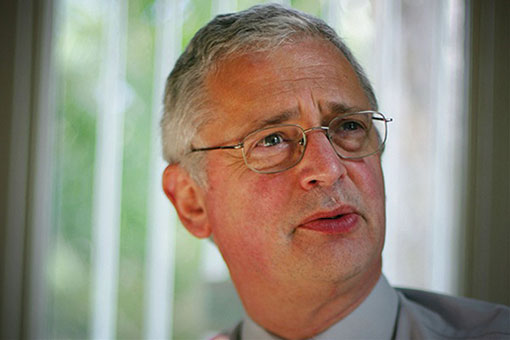
For example, he led two of TROG’s two largest prostate cancer trials.
The TROG 96.01 trial revealed that just six months of androgen deprivation therapy before and during radiotherapy significantly boosted survival in men with locally-advanced prostate cancer. At 10-years follow-up, the treatment halved the mortality rate compared with radiation therapy alone.
The TROG 03.04 RADAR trial involved 1,071 men with newly-diagnosed aggressive but localised prostate cancer between 2003 and 2007 from 23 centres across Australia and New Zealand. This trial, which investigated hormone treatment after radiation therapy, provided practice-changing evidence of a treatment combination that resulted in a large reduction in the spread of high-grade prostate cancer with limited side effects, ultimately saving the lives of people whose cancer could have otherwise spread.
Jim published more than 240 journal articles and received lifetime research funding of more than $19M from national competitive, industry and institutional sources.
Mentorship, collaboration and advocacy
During his career, he recruited a significant number of young oncologists, mentoring them in both clinical practice skills and clinical research and teaching.
He took a truly collaborative approach to research, encouraging both junior and senior medical colleagues to run clinical trials, working closely with researchers across disciplines, and partnering with other collaborative cancer clinical trials groups in Australia and internationally to maximise awareness and participant recruitment in trials.
Jim’s passion for making a difference also saw him become a public advocate for earlier cancer diagnosis and treatment for prostate cancer. His “Little Prick” campaign in 2007 succeeded in lifting the Hunter’s prostate cancer detection rate from the lowest in NSW to the highest, by doubling the number of men having PSA (prostate specific antigen) blood tests. Between 2007 and 2014 prostate cancer mortality in HNE region dropped by 36%.
His research activities were recognised in Europe in 2007 with Honorary membership of the European Society for Radiotherapy & Oncology.
In 2015, he received the Medal of the Order of Australia (OAM) for his contributions to the community, especially in the field of prostate cancer research and treatment.
“Jim leaves a remarkable legacy, including through his instrumental role with TROG Cancer Research. He will be greatly-missed and remembered warmly by all whose lives he touched – from his patients to his colleagues and the many researchers he collaborated with to make a real difference to cancer treatments and patient outcomes,” said current TROG President, A/Prof Puma Sundaresan.
Related Post
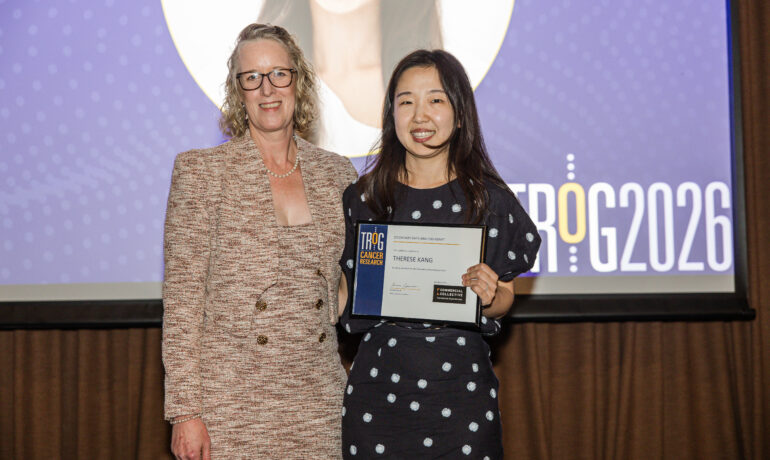
TROG Secondary Data Analysis Grant awarded to project to better understand prostate cancer therapy outcomes
LATEST NEWS: 31 March 2026 TROG’s inaugural Secondary Data
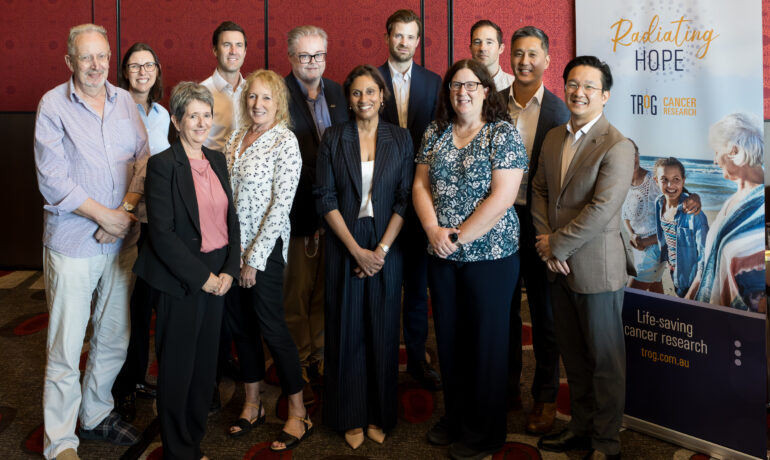
TROG welcomes new Board members and President-Elect
LATEST NEWS: 26 March 2026 We are delighted to
Wilma Toohey
12 April, 2026 at 9:03 amIndebted to this brilliant man, R.I.P.
Ian Healey
12 April, 2026 at 8:13 pmRIP Jim Denham.
I was one of many who was privileged to be one of patients. I will be forever grateful.
m.pianka
13 April, 2026 at 11:51 amMany thanks for sharing your thoughts Ian.
Kind Regards
Mary